LSI Keyword Generator Tool
LSI (Latent Semantic Indexing) keywords are closely related terms that give search engines more context about your main keyword. Adding them naturally into your content helps improve topical authority and boosts SEO performance, with our free LSI keyword research tool.
What are LSI Keywords?
In SEO, LSI (Latent Semantic Indexing) keywords are words and phrases that are contextually related to your main keyword. They help search engines better understand the full meaning of your content.
For example, if you're writing about "digital cameras," terms like "DSLR," "megapixels," or "lens" provide important semantic clues.
Modern search engines no longer reward content that repeats the same keyword dozens of times. Instead, they look for context and topical relevance. By including related terms, synonyms, and supporting concepts, you signal to Google that your page truly covers the topic in depth.
Answer Socrates' LSI Keyword Generator makes this process simple. Enter a seed keyword, and the tool surfaces 100+ semantically related LSI terms you can weave naturally into your content. The result? Content that ranks for more variations, earns higher topical authority, and connects better with real user intent.
How the LSI Keyword Generator Works
1
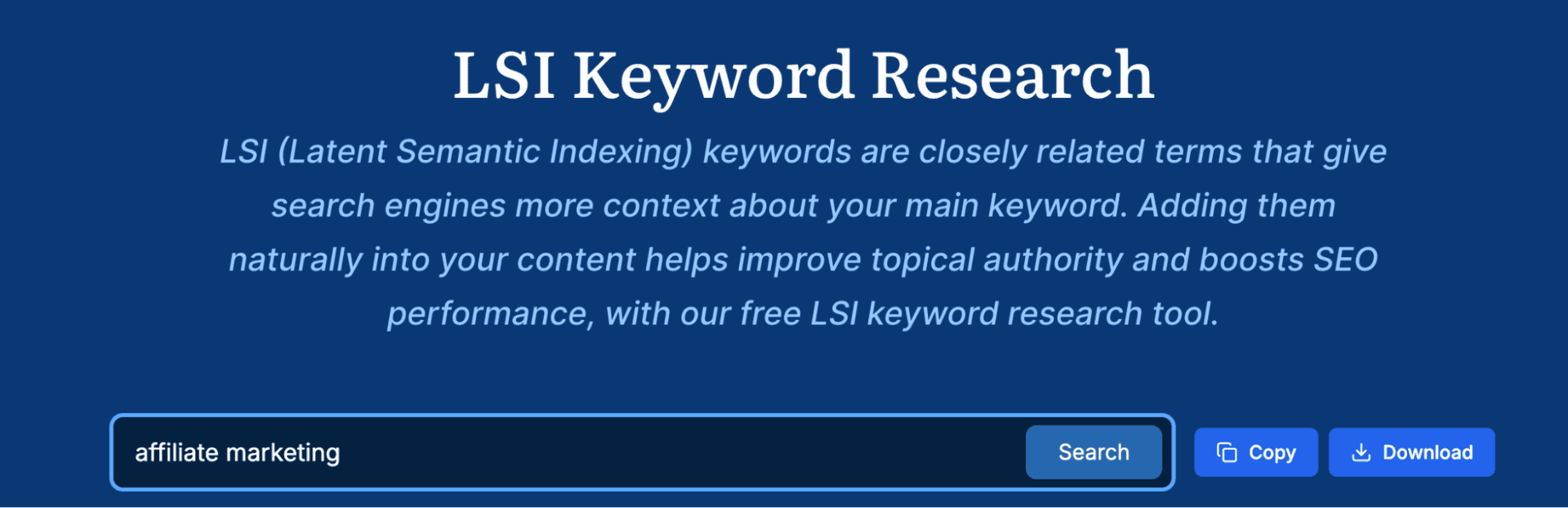
1) Enter your seed topic keyword
Type your main keyword (for example, "email marketing") into the LSI keyword search bar within Answer Socrates.
2
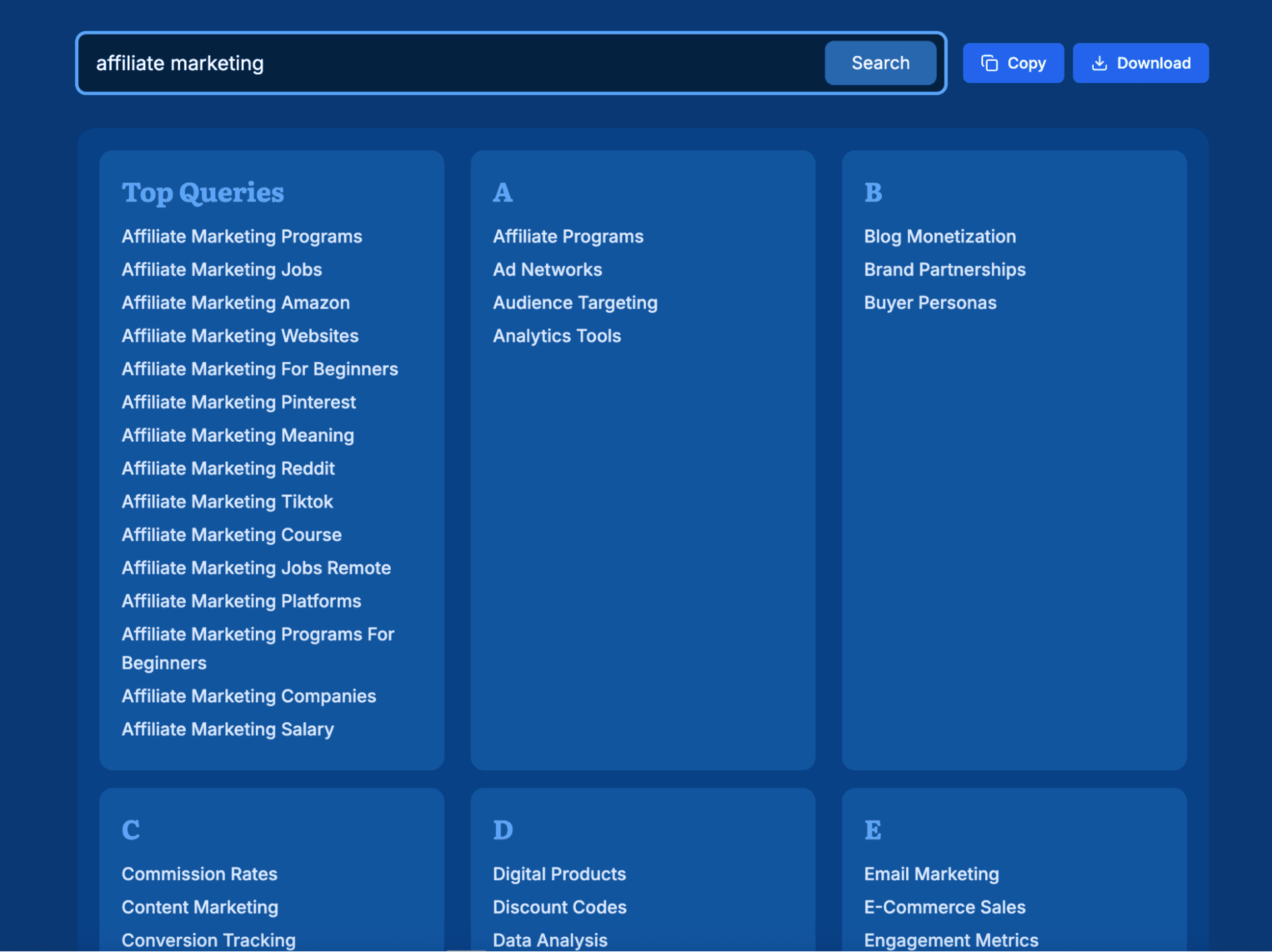
2) Generate & review LSI keyword suggestions
Click Search to surface hundreds of LSI ideas (e.g., "drip campaign," "open rate," "ESP," "subject line testing"). Results are auto-deduped and grouped by theme, with quick filters for questions, brand terms, and commercial phrasing.
3
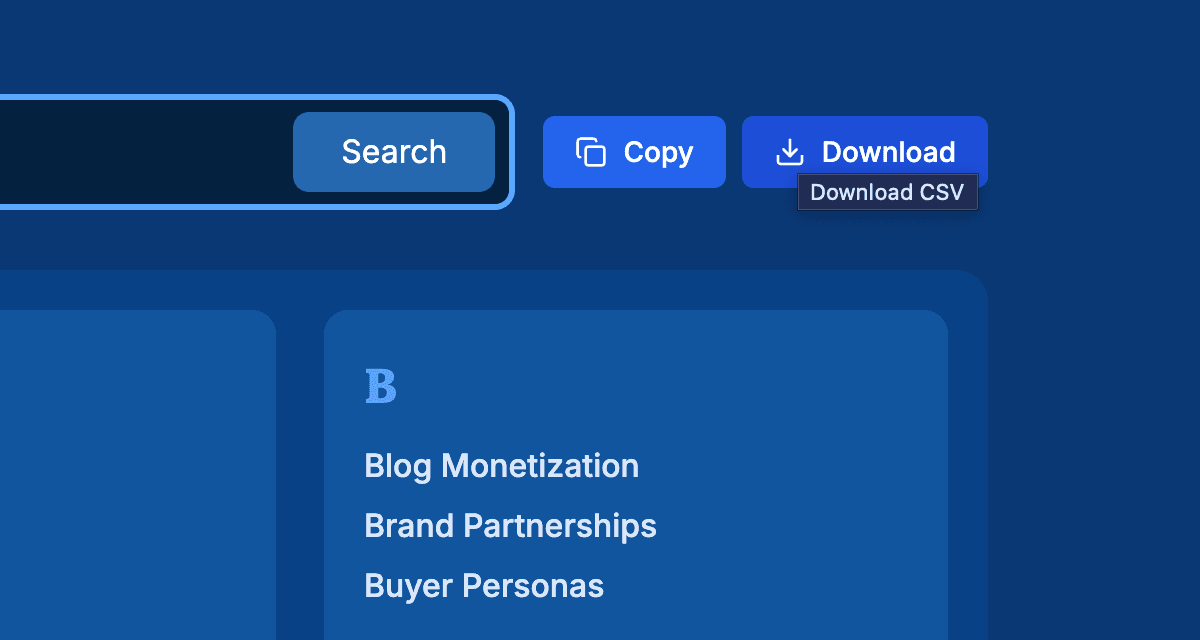
3) Export & apply to content
Download your LSI keywords, and use them directly in your content such as in H2/H3s, body copy, FAQs, alt text, and internal-link anchors.
4
4) Refine with clustering
Use Answer Socrates' free keyword clustering features to cluster these topics with your keywords and create a full topical map.
Use Cases
1
SEO writers building blog clusters
You can quickly generate semantically related terms to structure blog clusters around a main pillar topic. This ensures every post connects to the broader theme, improving your site's topical authority.
2
Content strategists
By discovering related entities and subtopics, strategists can map natural internal links between pages, as well as finding new topics to create long-tail content that ranks and converts.
3
Agencies
Agencies producing content at scale can use LSI keywords to brief multiple writers. Each piece gets contextually rich terms, ensuring consistent quality across a large content campaign.
4
Freelancers ideating FAQs quickly
Independent writers can pull question-based LSI terms to build FAQ sections that target long-tail queries, featured snippets, and conversational searches.
Frequently Asked Questions
LSI (Latent Semantic Indexing) keywords are terms and phrases closely related to your main keyword. They provide context that helps search engines understand what your content is about. For example, around "coffee beans" you might naturally expect "espresso," "roast," or "Arabica."